

We’ve all seen the headlines: “Bees are in trouble!” It’s true—bees play a crucial role in our ecosystem. They pollinate the plants that make up a significant portion of our food supply. However, when bees set up shop a little too close to home, they can cause a big problem for homeowners. In these situations, many people wonder: should I call a beekeeper or an exterminator? The answer isn’t always as simple as picking up the phone and dialing.
On one hand, you want to make sure the bees are safely removed, but on the other, you’re dealing with a potential risk to your home and family. In this blog, we’ll break down the differences between a beekeeper and an exterminator, so you can make the right choice when you find yourself facing a bee dilemma.
What Does a Beekeeper Do?
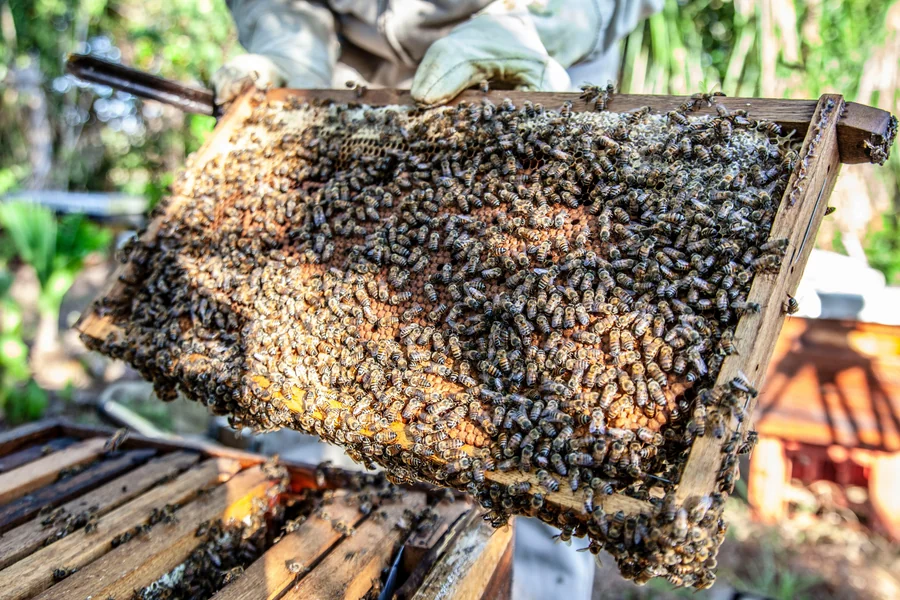
A beekeeper’s job is all about bees. They’re experts in handling and caring for bees, so they are usually the best choice if you’ve discovered a honeybee colony in or around your home. Beekeepers typically handle bee removal in a way that keeps the colony intact, as they aim to relocate the bees without harming them. Why? Because bees are essential to pollination and maintaining a healthy environment.
If you call a beekeeper, you’re opting for a more eco-friendly solution. They’ll carefully relocate the bees to a safe area, allowing them to continue their important work. This approach is ideal if the bees are a honeybee species, which are generally not aggressive unless provoked.
What Does an Exterminator Do?
An exterminator’s role is focused on eliminating pests, including bees. Unlike beekeepers, exterminators use methods to eradicate the bees and prevent them from returning. If you have a serious infestation, an exterminator might be the right call. They will assess the situation and either use chemicals or other treatments to remove the bees.
While exterminators are quick to solve a bee problem, their methods often result in the death of the bees, which isn’t ideal from an environmental standpoint. If the bee colony poses a threat, for instance, if it’s in an area with high foot traffic or if the bees are aggressive, an exterminator might be the best option for immediate action. However, this should be considered a last resort, especially if you care about preserving local bee populations.
Safety Concerns: Which One Protects Your Family?
One of the biggest concerns with bees around the home is safety. While bees generally aren’t aggressive, they will defend their hive if they feel threatened. If you or anyone in your family has an allergy to bee stings, a large colony near your home can be dangerous. In this case, calling an exterminator may seem like the fastest solution. They can eliminate the threat in a controlled manner.
However, this doesn’t mean that beekeepers aren’t also concerned with safety. A skilled beekeeper will assess the risk involved and decide if removal is safe for everyone. In some cases, they might suggest using protective gear and keeping a safe distance during the removal process. The good news is that with a professional beekeeper, you are less likely to face the risk of bees getting agitated and stinging.
Long-Term Effects: Which Option Helps the Ecosystem?
When you think about the long-term effects of your bee problem, beekeepers offer a more sustainable approach. Honeybees and other pollinators are in serious decline, and the loss of bees can hurt more than just your garden. A beekeeper ensures that the colony is relocated safely and continues its vital role in nature. This is crucial for preserving the health of your local environment.
On the other hand, exterminators, while offering a fast fix, contribute to the decline of bee populations when they kill the colony. In some cases, this may even lead to further infestations of other pests. Choosing a beekeeper for relocation helps the larger ecosystem and protects the local bee population, which benefits everyone.
Conclusion: Who Should You Call?
Ultimately, your choice between a beekeeper and an exterminator depends on the specifics of your situation. If the bees are located in an area where they pose a danger or you have an allergy concern, an exterminator may be the best option for immediate action. However, if the bees are non-aggressive and the location is safe for relocation, calling a beekeeper is a far more beneficial choice for the environment.
Before you make a decision, weigh the long-term effects and consider the safety of your family. Bees may be a nuisance, but they are an essential part of our ecosystem. By choosing to work with a beekeeper, you’re contributing to the preservation of local pollinators and ensuring that they continue their important work.
For safe, eco-friendly bee removal, companies like Nelson’s Bee Removal offer professional services that prioritize the health and safety of both your home and the bees.
