

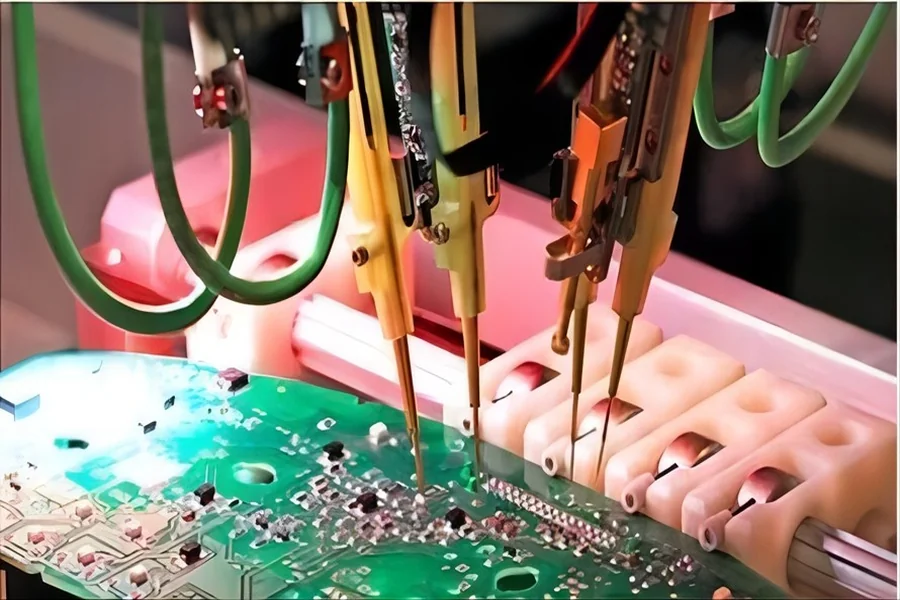
Power PCB boards are a crucial part of any electronic system that handles high current or voltage. These printed circuit boards are specially designed to transmit, distribute, and manage electrical power efficiently and safely. Unlike standard signal PCBs, a power PCB board must carry large amounts of current while minimizing heat buildup and energy loss. As such, their layout, materials, and layer structure are optimized for power handling and thermal management.
Power PCBs are widely used in industrial equipment, renewable energy systems, electric vehicles, telecommunications, and various power conversion devices. Their reliable performance under electrical stress is essential to the safety and efficiency of these systems.
Key Characteristics of Power PCB Boards
Power PCBs differ from typical circuit boards in several ways. They usually use thicker copper layers, which range from 2 oz to even 10 oz in some heavy-duty applications. This ensures that high currents can flow without causing damage or overheating. Additionally, power PCBs often incorporate wider traces, large vias, and heat sinks or thermal vias to support heat dissipation.
Thermal conductivity is another core requirement. Materials used in power PCB boards must have a high glass transition temperature (Tg) and thermal conductivity to withstand elevated temperatures. High-quality insulation systems and appropriate dielectric spacing are also vital to prevent short circuits and ensure long-term stability.
The stack-up and layer design of power PCBs are also critical. Multi-layer boards may be used to separate power and control circuits or to improve current distribution. The layout should also consider electrical isolation and EMI/EMC (Electromagnetic Interference and Compatibility) performance, especially in high-frequency power supplies.
Applications of Power PCB Boards
Power PCBs play an important role in many sectors that rely on stable and efficient power delivery. One major application is in power supplies, such as AC-DC converters, DC-DC converters, and inverters. These components require boards that can handle high voltages and fast switching speeds while maintaining low noise and high reliability.
In electric vehicles, power PCB boards are essential for managing the battery system, motor controller, and charging unit. They must be robust, lightweight, and capable of operating in harsh environments, including wide temperature ranges and vibrations.
Industrial automation is another key area. Power PCBs are used in motor drives, programmable logic controllers (PLCs), and factory equipment. The high durability of power PCBs ensures that machines can operate continuously with minimal risk of failure.
Renewable energy systems, such as solar and wind, also depend on power PCB boards for inverters, charge controllers, and energy storage systems. These applications require high efficiency and minimal energy loss, which makes power PCBs a foundational component of sustainable energy solutions.
Design and Manufacturing Challenges
Designing a power PCB board is a complex process that requires detailed knowledge of thermal dynamics, current flow, and voltage levels. Engineers must calculate the right trace width for the expected current and select materials with appropriate thermal ratings. Proper spacing and insulation between high-voltage paths are necessary to meet safety standards like IPC-2221 and UL certifications.
Thermal management is another major challenge. Power PCBs generate significant heat, which can lead to failure if not properly managed. Engineers use thermal vias, copper pours, and sometimes embedded heat sinks to manage heat flow. In some designs, aluminum substrates are used for better thermal conductivity.
Manufacturing power PCBs also requires specialized processes. Due to the thick copper and high temperatures involved, the etching and lamination steps must be carefully controlled. Assembly may require high-temperature soldering and careful placement of heavy components. Manufacturers must also conduct rigorous testing, including high-voltage insulation tests and thermal cycling, to ensure product reliability.
Materials Used in Power PCB Boards
The materials used in power PCB boards must meet high thermal and mechanical standards. Common base materials include FR-4 for low- to mid-power applications and metal-core laminates like aluminum or copper for high-power applications. High-performance materials such as polyimide or ceramic-based substrates are used when excellent thermal and electrical stability is required.
Solder masks and surface finishes must also be selected for heat resistance and electrical performance. ENIG (Electroless Nickel Immersion Gold), OSP (Organic Solderability Preservative), and HASL (Hot Air Solder Leveling) are common surface treatments that help maintain solderability and protect copper traces.
Why the Right Manufacturing Partner Matters
The effectiveness and safety of a power PCB board depend not only on good design but also on precise manufacturing and quality control. Choosing an experienced manufacturer ensures that the board will meet the necessary electrical, thermal, and mechanical standards.
A reliable supplier can also offer design-for-manufacturing (DFM) support, helping engineers optimize their designs for mass production. This includes feedback on layout, materials, thermal management, and cost-saving alternatives. It ensures that the final product performs as expected while minimizing delays and production errors.
Conclusion
Power PCB boards are critical for managing high currents and voltages in a wide variety of electronic systems. Their performance directly affects the reliability and efficiency of everything from electric vehicles to renewable energy systems. As technology continues to evolve and energy demands increase, the role of power PCBs will only grow in importance.
Companies that need high-performance power PCBs should prioritize working with experienced partners who understand the complexities of power electronics. With their proven expertise, advanced manufacturing capabilities, and commitment to quality, Viasion Technology is a trusted supplier of power PCB boards for both standard and custom applications.
